7 Hooping Problems That Are Really a Clothing Problem
Quick Answer: A hoop needs friction to stay up, and clothing controls friction almost entirely. Slippery technical fabric, loose layers, thick waistbands and bare skin all change how the hoop behaves — often more than technique does. Seven specific problems, each with a clothing cause and a clothing fix.
Before you change your form, change your top.
This is general information, not medical advice.
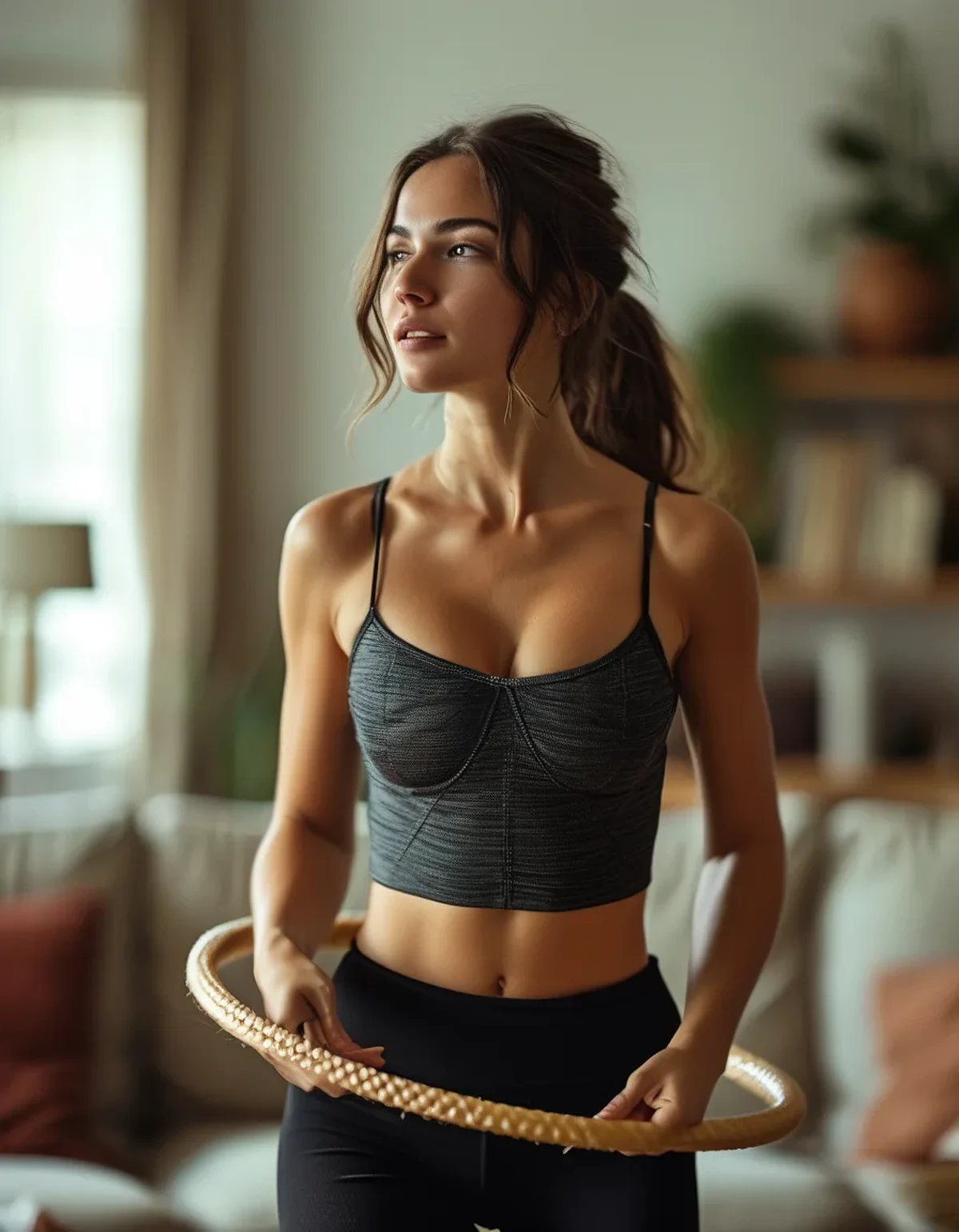
1. The hoop drops instantly on slippery fabric
Smooth technical fabric is the most common cause of a hoop that will not stay up. Many performance fabrics are deliberately low-friction, and the hoop needs the opposite.
Cotton and cotton blends grip noticeably better than polyester or nylon jersey. A plain cotton t-shirt is one of the best hooping garments available and costs almost nothing.
Ribbed textures grip better than flat ones. Anything with a surface texture gives the hoop something to catch.
The test: run the hoop across the fabric with your hand. If it slides freely, it will slide on your waist too.
Bare skin grips well and bruises more. It is the best option for learning control and the worst for a long session.
2. Bruising that appears in one specific band
A single band of bruising usually means the hoop is contacting one narrow area repeatedly, which is a padding problem as much as a technique one.
A slightly thicker single layer distributes the contact. A fitted long-sleeve or a thin sweatshirt over a base layer is the standard solution.
Do not use loose padding. It shifts, which creates a new contact edge and often makes the bruising worse.
Bruising is normal in the first two weeks of weighted hooping and should fade as technique improves. Bruising that persists beyond a month, or that is severe, means the hoop is too heavy.
If you bruise very easily, are on blood thinners, or have a bleeding disorder, discuss weighted hooping with a doctor before continuing.
3. The hoop climbs upward and gets stuck under the ribs
A hoop climbing is usually about angle, and clothing changes the effective angle. A bulky waistband creates a shelf that the hoop rides up onto.
A smooth, flat, high-rise waistband is ideal. Fold-over bands, drawstrings and thick elastic all create ledges.
Tuck the top in, or wear a fitted one-piece. A top hem that catches the hoop is a common and completely invisible cause of climbing.
Check for a bunched layer at the back. Most climbing starts on the side you cannot see.
If it persists with smooth clothing, it is technique — usually a forward-back push that is angled slightly upward rather than horizontal.
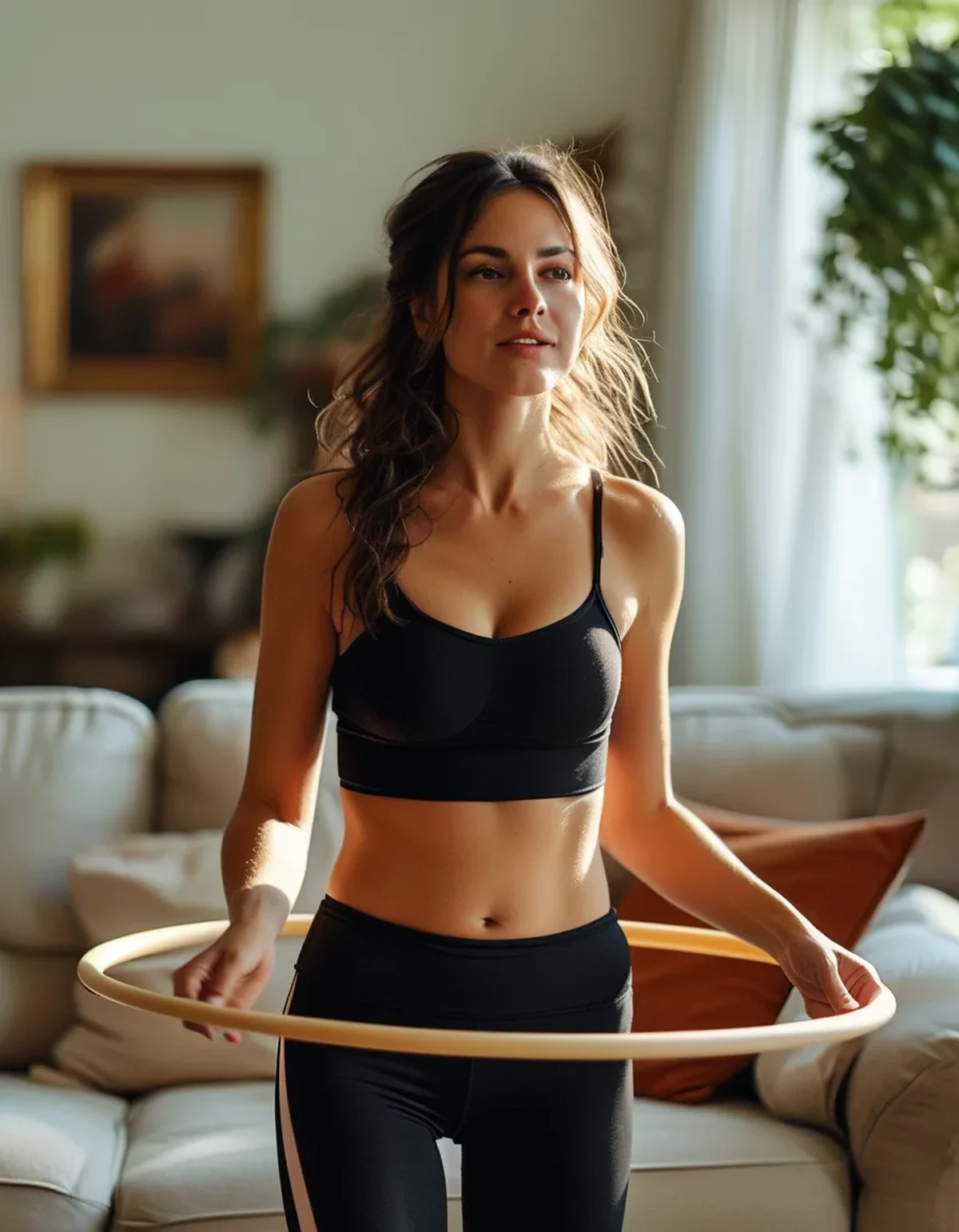
4. The rhythm falls apart when you add layers
Layers change your proprioception. More fabric between hoop and skin means less sensory feedback, and the timing of the push depends on feeling the contact.
Learn in a thin layer and add padding later, not the other way round. Beginners in thick sweatshirts take substantially longer to develop the timing.
One layer is usually the sweet spot — enough to protect, thin enough to feel.
Cold rooms tempt people into more layers, which is why hooping often gets harder in autumn. Warm the room rather than adding a third layer.
Warm up before hooping, particularly in a cold room. Five minutes of movement first makes the first ten minutes of hooping meaningfully better.
5. Hair and jewellery interfere more than expected
Long loose hair catches the hoop on the upward passes and disrupts the rhythm at exactly the point where control is hardest.
Tie it up and keep the tie flat. A high bun works better than a ponytail, which swings into the path.
Remove waist-level jewellery and belly bars. A hoop striking a piercing is both painful and a genuine injury risk.
Watch out for zips and buttons. A zip pull on a jacket is a reliable way to get a scratch and to knock the hoop off course.
Long necklaces are a similar problem on tricks that bring the hoop up to the chest.
6 and 7. Moving around, and moving outdoors—or back in
6. Everything works standing still and fails when you walk
Loose trousers change the hoop’s contact point with every step.** Fabric that moves independently of the body makes a moving hoop unpredictable.
Fitted lower-body clothing is essential for any hooping that travels. Leggings or fitted shorts.
Check the shoes too. Grippy trainers on carpet restrict the small pivot most people use, and bare feet or socks on a hard floor give too little. Bare feet on carpet, or trainers on a hard floor, are the usual working combinations.
Floor surface interacts with clothing. A hoop dropped on carpet stops dead; on hard floor it rolls, and chasing it is where most of a session’s time goes.
Clear a slightly larger area than you think you need for anything travelling, and check what is at hoop height around the edges of it — lamps, shelves and door handles all end a session early.
7. Everything is fine indoors and wrong outdoors
Wind changes the hoop’s behaviour substantially,** and loose clothing amplifies it considerably.
Sun-warmed hoops become slightly tacky; cold hoops become more slippery and more brittle. Both change the grip you are used to.
Sweat helps grip on skin and hurts it on fabric, which reverses the usual advice for a hot outdoor session.
Grass absorbs the hoop’s energy and requires noticeably more effort than a hard floor, which people misread as a bad day.
As the weather cools, moving indoors changes ceiling height, floor surface and clothing all at once. Expect a week of adjustment rather than concluding you have lost the skill.
And do not hoop on a cold hoop straight from a car or shed. Polypropylene and HDPE both become brittle in cold and can crack on impact. Give it 20 minutes indoors first, which also brings the grip back to what you are used to.
Outdoor light changes what you can see of your own form. Bright sun flattens the visual feedback you get from the hoop’s edge, and low autumn sun directly in your eyes removes it entirely. Facing away from the sun is a real technique adjustment rather than a comfort one.
Layers outdoors compound every problem on this list. A jacket over a jumper over a top is three surfaces with three different friction levels, and the hoop meets a different one on each pass. Outdoors in autumn, one warm fitted layer beats three loose ones by a wide margin.
FAQ: Hooping Clothing Questions, Answered
What is the single best thing to wear?
A fitted cotton or cotton-blend t-shirt tucked into smooth high-rise leggings. It is unglamorous and it works better than almost anything technical.
Should I hoop on bare skin to learn faster?
Bare skin gives the best feedback and the most bruising. A reasonable approach is bare skin for short technique sessions and a thin layer for longer workouts.
Does hoop weight change the clothing advice?
Yes. Heavier hoops need more padding and more grip; a light hoop on a slippery top is nearly impossible to keep up, while a heavy one will stay up on almost anything and bruise more.
TL;DR:
- Cotton and textured fabrics grip; smooth technical fabric is why the hoop drops.
- One thin layer is the sweet spot — enough padding, enough feedback.
- Smooth flat high-rise waistbands stop the hoop climbing; fold-overs and drawstrings cause it.
- Tie hair up, remove waist jewellery, and wear fitted lower-body clothing for travelling moves.
- Cold hoops become brittle and slippery; let them warm before use.
Most hooping problems are solved in the wardrobe, not the technique.
This is general information, not medical advice.
See It in Motion
Seen here: High Waist 8” Yoga Shorts — shop similar styles on bubblelime.com
Keep Reading
This article is for general informational and styling purposes only. Fit, sizing, and product availability may vary.